TL;DR: Buying a collector grade custom Defender in 2026 comes down to four checks before any money moves: verified donor provenance with a clean US title, a structurally new foundation rather than a patched thirty-year-old frame, a complete build dossier, and a US builder who stands behind the vehicle with a written warranty. Expect $250,000 to $350,000 and up, and 6 to 12 months from deposit to delivery.
In February 2025, a 1997 NAS Defender 90 with fewer than 1,325 miles sold for $176,400 at RM Sotheby's Miami auction.[1] Numbers like that keep pulling a new kind of buyer into the classic Defender market: the collector who thinks in portfolio terms, asks about provenance before paint color, and wants the purchase to survive an appraiser's scrutiny five years from now. If that is you, this guide is the process. Not the investment thesis. We already made that case in our analysis of Defender appreciation. This is the transaction itself: what collector grade actually means, how to vet a US builder, which specification choices protect value, and what happens between your deposit and the day a truck arrives in your driveway.
At Monarch Motor Company, we run capacity for more than 60 builds per year out of our facility in Grayslake, Illinois, north of Chicago. After a decade of overseeing ground-up builds, I can tell you the buyers who leave happiest are the ones who treated the purchase like the acquisition of any other serious asset. Verify first. Wire funds second.
What Makes a Custom Defender Collector Grade?
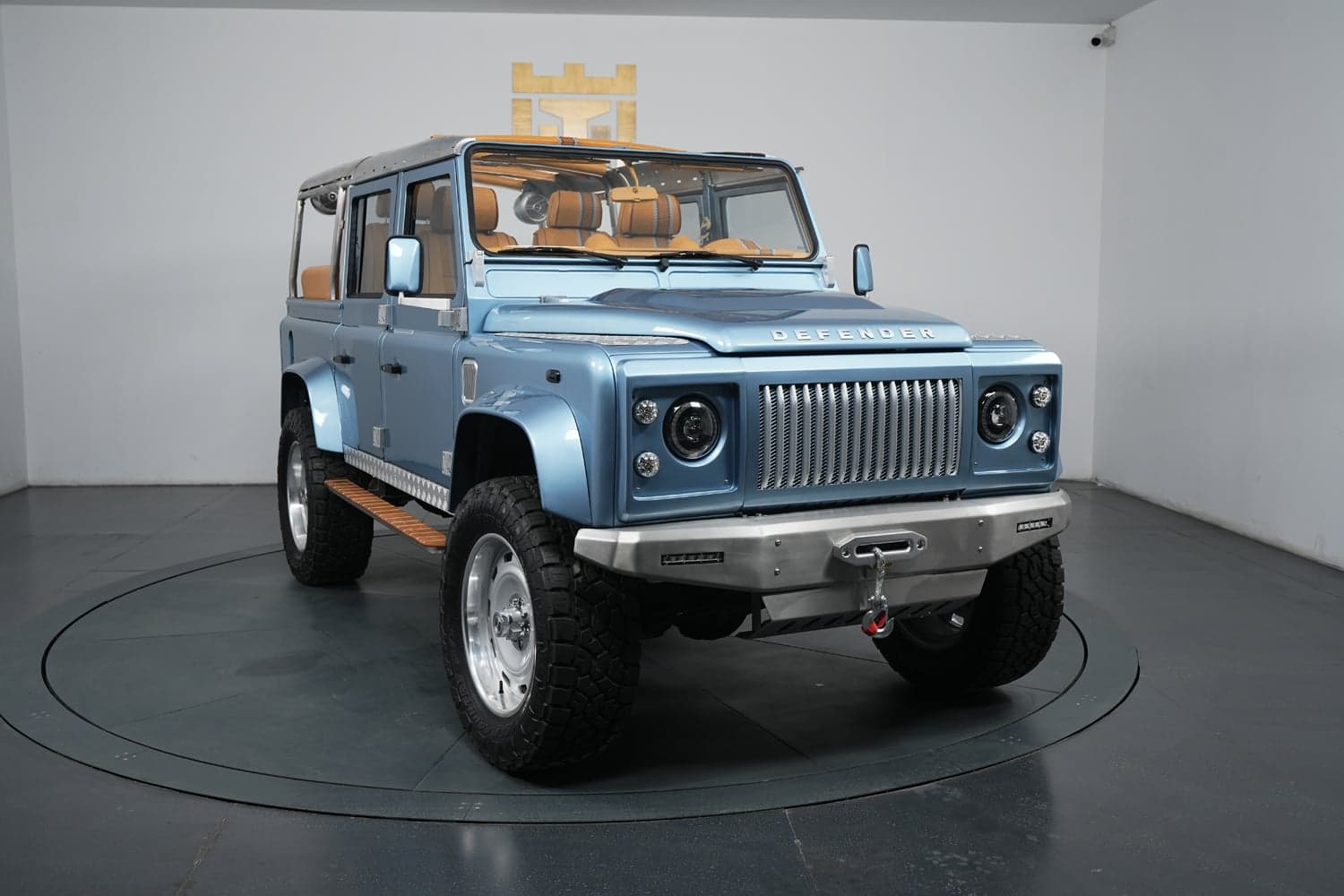
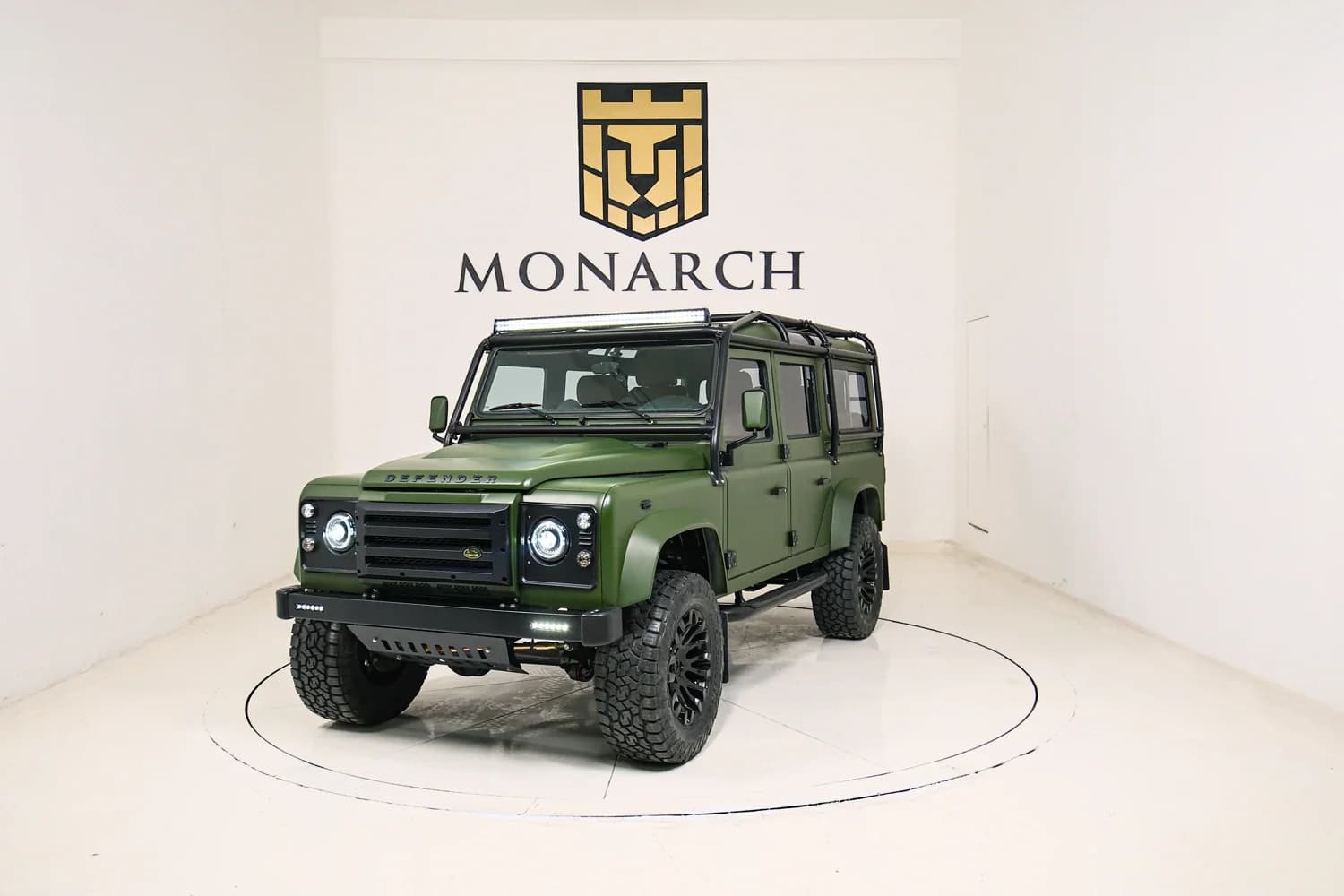
A collector grade custom Land Rover Defender combines four things: a documented donor vehicle with clean provenance, a structurally new foundation, a complete build dossier covering every stage of the work, and a builder whose name adds value at resale. Miss any one of the four and you own an expensive truck, not an investment-grade vehicle.
Start with the donor. Every custom build begins life as an original Defender from the model's 1983 to 2016 production run; for US builds, the 25-year import rule currently limits eligible donors to trucks built through 2001. The donor's paper trail matters as much as its sheet metal. You want the original chassis number, the import documentation, and a clean US title issued before the build begins. At Monarch, we source and import every donor ourselves and title it in the United States before a single stage of work starts, precisely so the provenance chain has no gaps. A build with murky import history or a title issued mid-process will haunt you at resale and at the insurance underwriter's desk.
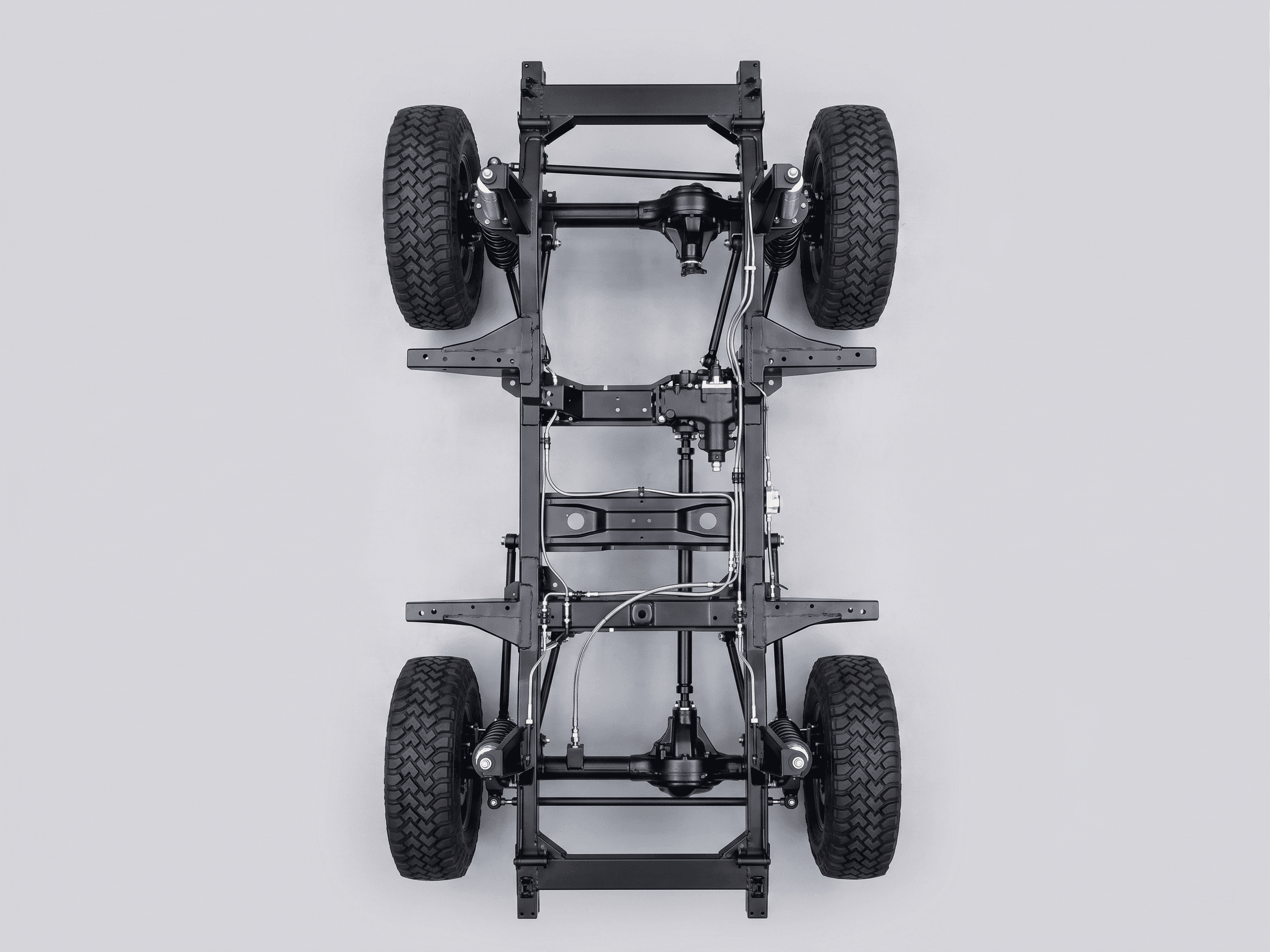
Chassis originality works differently for custom builds than for preserved originals. In the preservation market, the factory frame is the artifact. In the custom market, the collector standard has inverted: a thirty-year-old chassis that spent decades on salted roads and farm tracks is a liability, not a feature. The builds that command premiums start from a new KTL-coated chassis, engineered to carry modern V8 power without fatigue or corrosion. Ask any builder you interview one blunt question: is the frame under this truck new, or refurbished? The answer sorts the field quickly.
Documentation is the third pillar, and the one most buyers underweight. A collector grade build ships with a dossier: stage-by-stage photographs, parts and powertrain invoices, paint codes, wiring diagrams, and test records. That folder is resale currency and the backbone of any future vehicle valuation. Two visually identical trucks can be priced very differently at sale time purely on the strength of what one owner can prove and the other cannot.
The fourth pillar is the builder's own name. Auction catalogs and classified listings lead with the shop that built the truck, and the market prices that reputation. Read verified client reviews, study completed work, and remember that the builder's reputation travels with the truck to the day you eventually sell.
Should You Commission a Build or Buy From Inventory?
Commissioning gives you control of every specification decision and takes 6 to 12 months. Buying a completed build from a reputable builder's inventory gives you a vehicle in weeks, with the spec already fixed. Experienced collectors use both routes; the right one depends on whether your priority is personalization or immediacy.
A ground-up commission is the purist's route to collector grade. You select the body style, 90, 110, 130, or 6x6, the powertrain, the paint, and every stitch of the interior. The result is a single-owner bespoke vehicle with you as the first name in its history file, which is exactly the provenance story collectors pay for later. The cost is time: a full build runs 6 to 12 months from commission to delivery.
Inventory purchases compress that timeline to almost nothing. The trade-off is that someone else made the specification decisions, so your job shifts from designing to auditing: the same four collector grade checks apply, and the build dossier becomes even more important because you were not there to watch the work happen. Browse available completed builds the way you would review any secondary-market asset, with the documentation open next to the photographs.
One practical note for buyers upgrading out of an existing vehicle: qualifying trade-ins can be applied as credit toward a commission, which simplifies the logistics of rotating one asset out of the garage as another comes in.
How Do You Vet a US Custom Defender Builder?
Vet a builder the way you would vet a contractor building your house: visit the facility, interrogate the contract, speak to past clients, and confirm warranty support in writing. The field of US custom shop builders has excellent operations and expensive disappointments, and the difference shows up in the questions they welcome versus the ones they dodge.
We keep a full framework in our guide to choosing a custom Defender builder, so here is the transactional core. Ask these before any deposit:
- Who holds title to the donor vehicle, and when does it transfer to me?
- Is the chassis new or refurbished, and what coating process protects it?
- What work happens in-house versus at subcontractors?
- What exactly does the warranty cover, for how long, and who performs the service?
- Can I visit mid-build, and will I receive stage-by-stage photo updates?
- Can you connect me with three past clients who took delivery over a year ago?
Red flags are just as diagnostic. Be wary of any shop that discourages facility visits, quotes far below the market band, refuses a written milestone schedule, or asks for full payment before work begins. Completed custom Defenders regularly list between $200,000 and $285,000 on the open market,[3] and a quote dramatically under that range is usually telling you what was left out of the build, not what a bargain you found.
Warranty and aftercare deserve their own scrutiny because they define your ownership experience after the delivery photos are taken. Monarch backs most work performed with a 12-month warranty, with extended options available, and coordinates support after delivery. Whoever you choose, get the equivalent commitment on paper.
Which Spec Choices Hold Value, and Which Hurt Resale?
The specs that protect value are the ones that widen your future buyer pool: a modern serviceable GM V8, a restrained classic-correct exterior, and an interior that reads bespoke rather than themed. The specs that hurt are the ones that shrink it: fad colors, novelty modifications, and personalization so specific the next owner has to undo it.
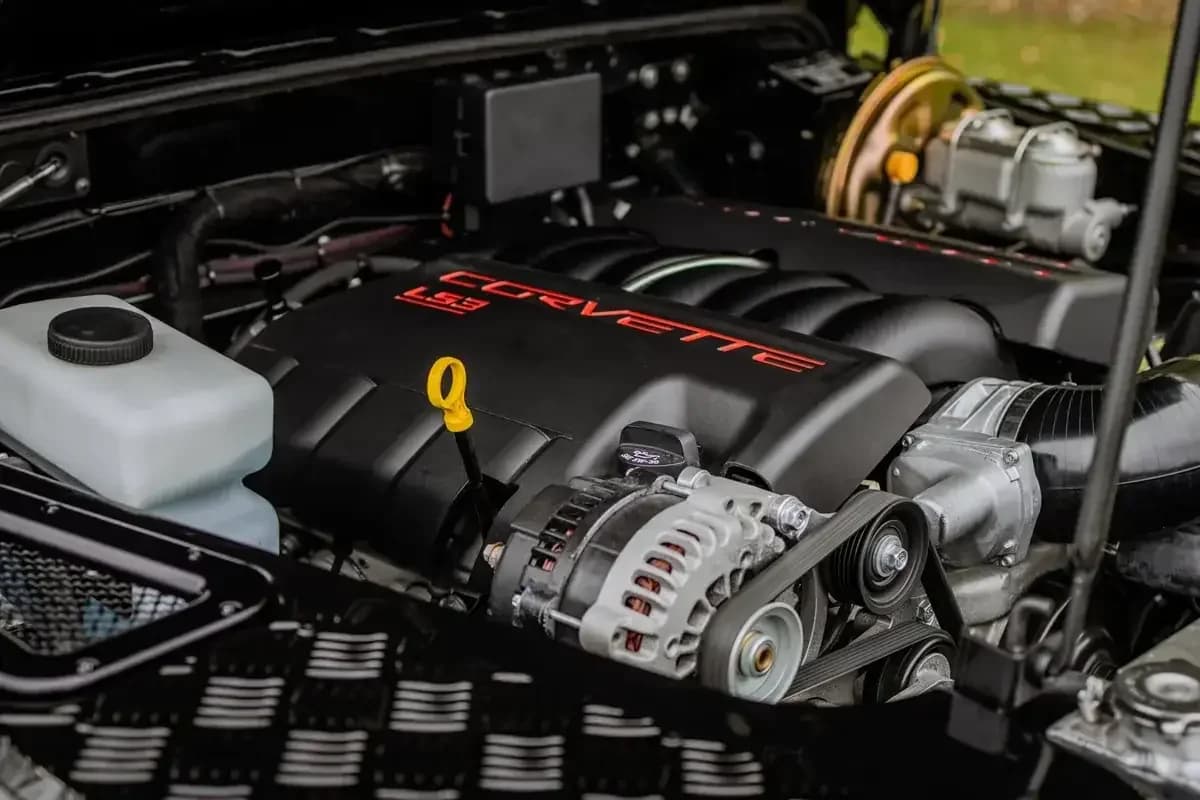
The powertrain decision is the easiest call in the entire build. A modern GM V8, either the LS3 at approximately 430 horsepower or the current-generation LT1 at approximately 460 horsepower, paired with an upgraded automatic transmission and matching axles, suspension, and brakes, is what the market wants in 2026. Performance is only half the reason. The other half is serviceability: any certified GM technician in the country can maintain that engine, which removes the specialist-mechanic anxiety that suppresses bids on other classics.
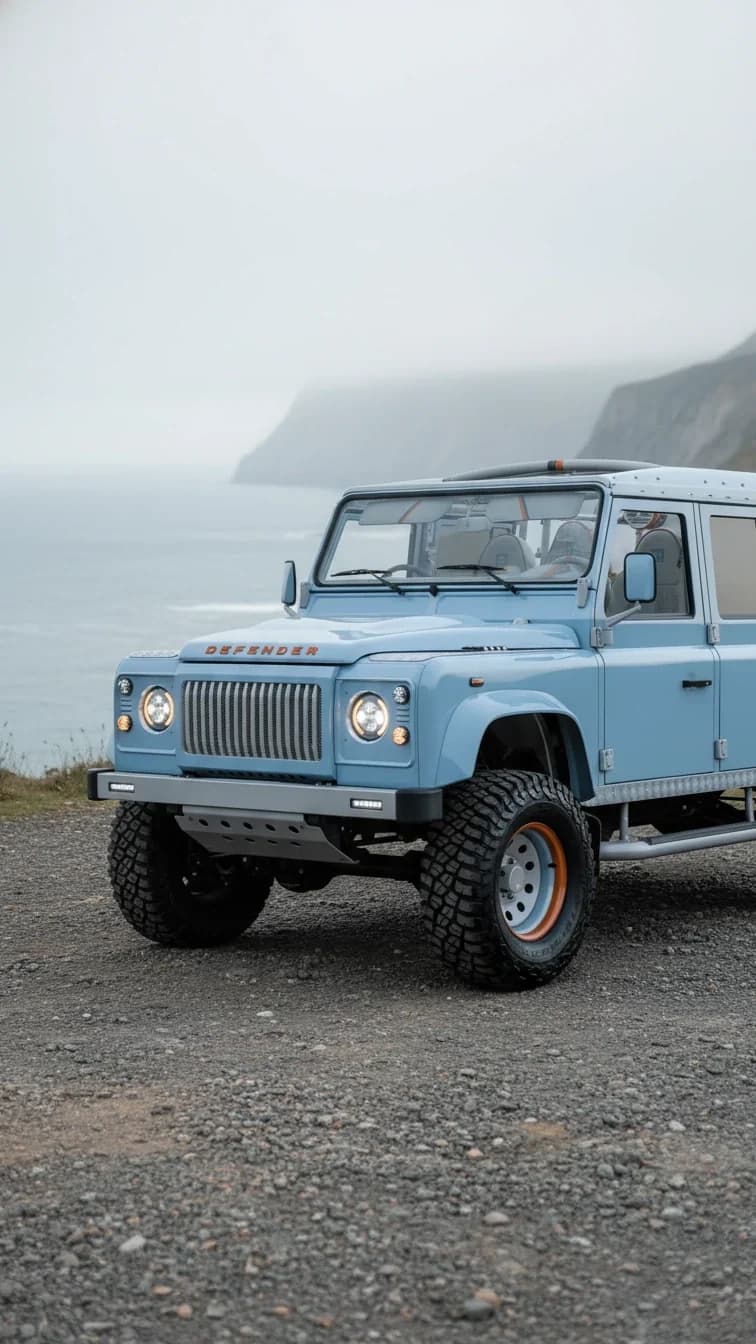
On the exterior, the money is in restraint. The classic Defender silhouette is the asset; heritage-appropriate colors, correct proportions, and quality paint hold value across taste cycles. Extreme wraps, oversized wheel and tire packages that compromise geometry, and trend-driven exterior kits date quickly and read as costs to reverse rather than features to pay for.
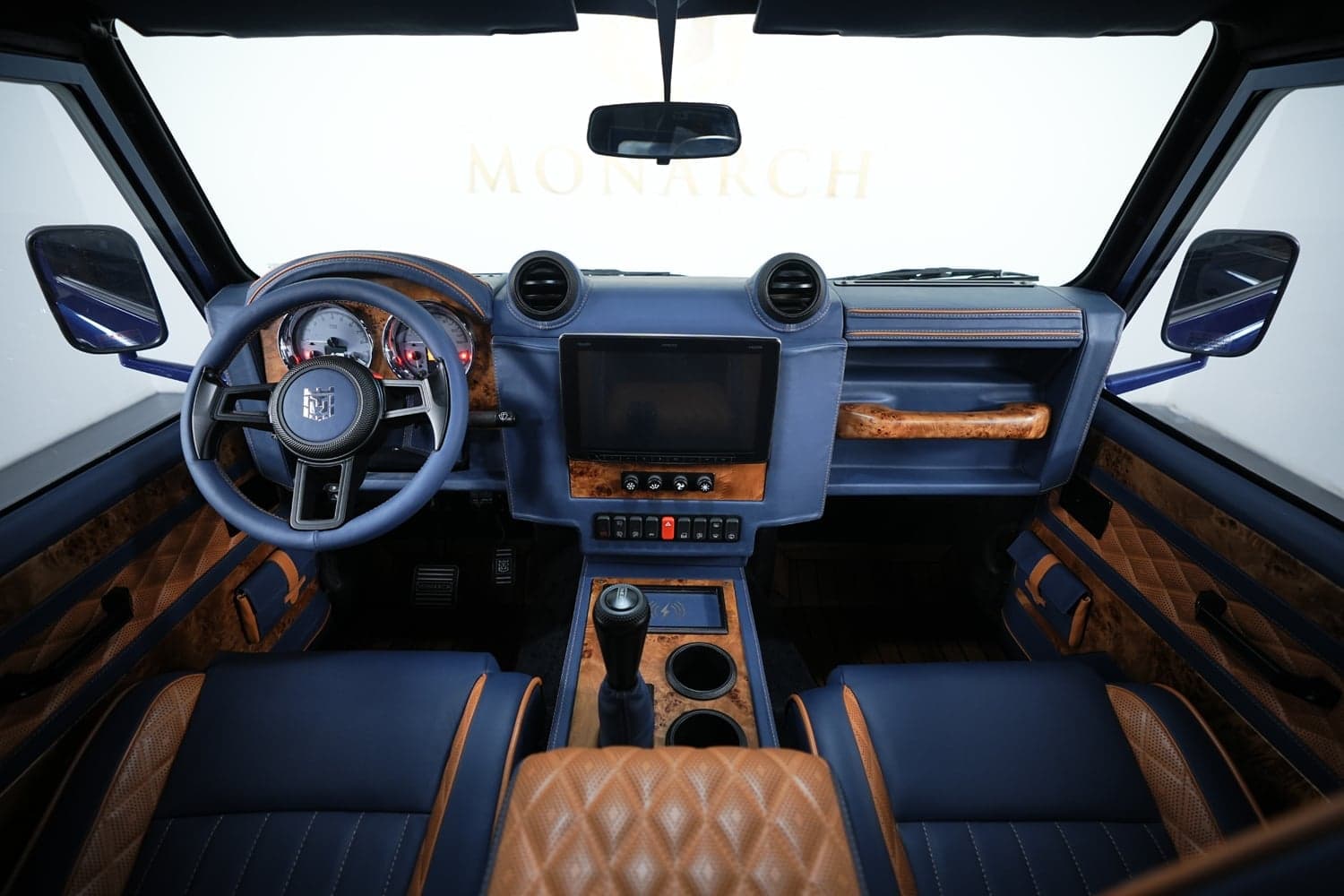
Interiors reward craftsmanship over concept. Hand-stitched leather, quiet insulation, and integrated modern conveniences such as touchscreen navigation and wireless charging are broadly desirable. A cabin built around one owner's very specific hobby is a joy to that owner and a discount to everyone after. If you want deep personalization, concentrate it in reversible details.
Body style also shapes the exit. The 90 and 110 carry the broadest demand. The 130 and 6x6 serve narrower audiences but stand out precisely because so few collector grade examples exist. Neither choice is wrong; just make it knowingly.
What Does the Buying Process Look Like, Step by Step?
From first contact to delivery, a well-run custom Defender purchase follows seven stages: specification and budget, contract and deposit, donor sourcing and titling, the build itself, pre-delivery inspection, registration and insurance, and delivery. Each stage has a verification step. Skip none of them.
1. Define the specification and the budget. Ground-up bespoke commissions from established US shops run $250,000 to $350,000 and up depending on specification. Fix your body style, powertrain, and interior direction before contract, because changes mid-build cost more than decisions made early.
2. Contract and deposit. The industry norm is an initial deposit that secures your production slot, followed by milestone payments tied to build progress. The contract should state the payment schedule, the delivery window, the warranty terms, and who holds title to the donor at each stage. Read it like the asset purchase agreement it is.
3. Donor sourcing and titling. Classic Defenders enter the US legally under the federal 25-year import exemption, and the paperwork has to be right; our guide to Defender legality in the US covers the rules. The clean-title-before-build standard exists because it protects you: at Monarch the donor is imported, documented, and US-titled before the first stage of work.
4. The build. Expect 6 to 12 months. A disciplined builder works through a defined sequence; ours is a 12-stage process running from donor sourcing through chassis, body, paint, insulation, wiring, interior, accessories, powertrain, technology, testing, and final preparation. Insist on photographic updates at each stage. They keep you informed now and become the spine of your build dossier later.
5. Pre-delivery inspection. Before final payment, inspect in person or send a representative. Check panel fit, paint quality in raking light, stitching, electronics, cold start, and a road test. Confirm the dossier is complete and matches the truck in front of you, chassis number included.
6. Title, registration, and insurance. Register the vehicle in your state using the US title, then place it on an agreed-value collector policy before it moves. Standard auto policies will not respect a six-figure build; our guide to insuring a custom Defender walks through carriers and coverage structures.
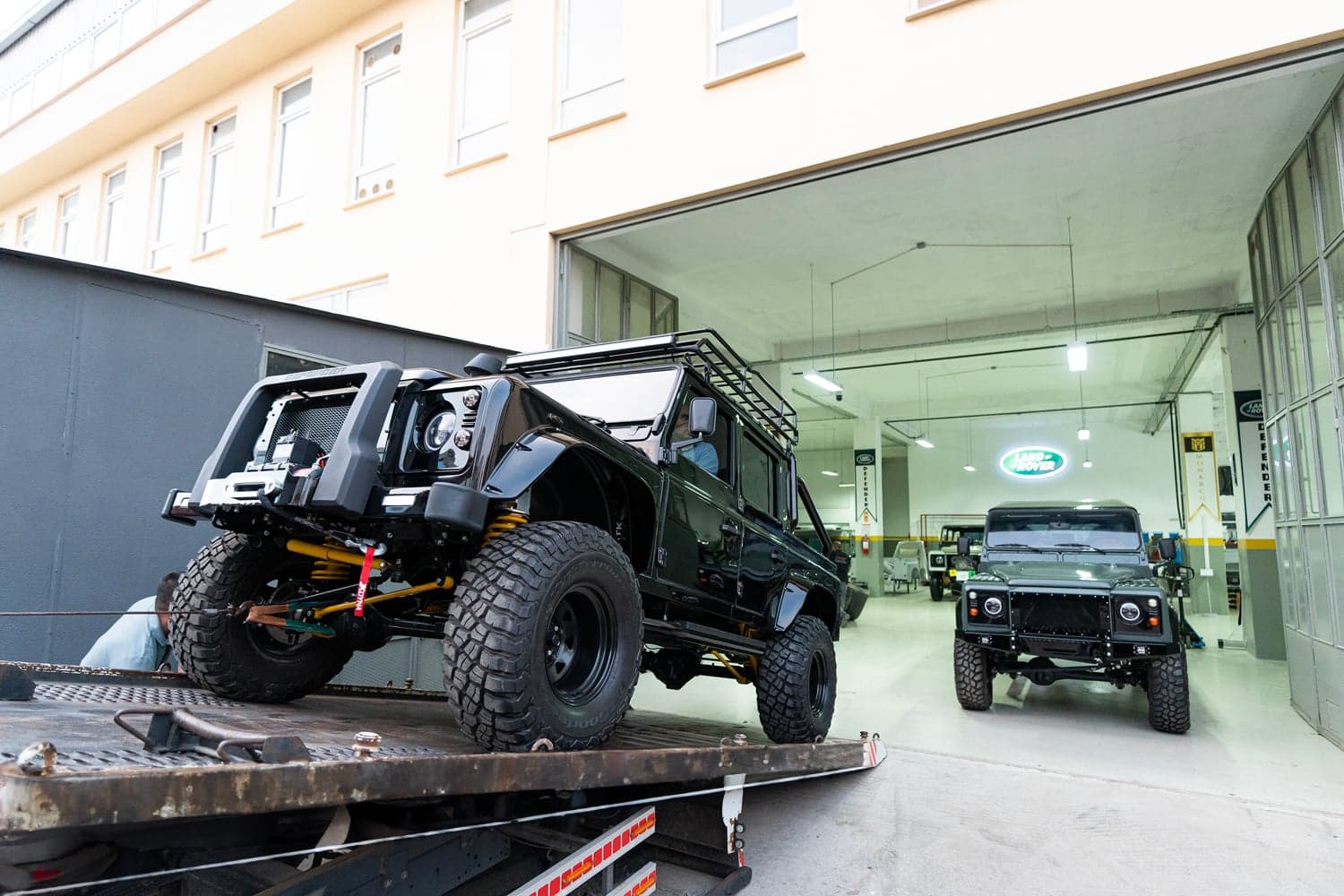
7. Delivery. A collector grade purchase ends with the truck arriving the way it left the shop floor. Monarch handles white-glove delivery across the USA and coordinates international shipping and customs for overseas clients.
Where Does a Collector Grade Defender Fit in an Alternative Asset Portfolio?
Collectors slot custom Defenders into the tangible-asset portion of a portfolio alongside watches, art, and other classic vehicles: a fixed-supply physical asset you can actually use while you hold it, exposed to the same classic car appreciation dynamics that drive the wider collector market. The supply side is settled arithmetic. Land Rover built 2,016,933 Series and Defender vehicles before production ended in January 2016, and no more are coming.[2]
The honest caveats belong in the file next to the thesis. Classic vehicles are not liquid securities; selling well takes weeks to months, and the broader collector market softened in 2023 after its pandemic-era run.[4] Values move with taste and macro conditions, and nothing here is financial advice. The full argument, supply math, auction history, and downside scenarios included, lives in our analysis of whether Defenders are a good investment.
What the buying process in this guide controls is the part of the outcome that is actually in your hands. You cannot dictate where the market goes. You can dictate whether your truck sits in the documented, builder-backed, provenance-clean tier that holds value, or the undocumented tier that does not. That is the entire reason to buy carefully.
Start the Process the Right Way
A collector grade Defender is one of the few assets you can hold for years and drive to dinner on Saturday. The buyers who do best treat the purchase with the same rigor on day one that an auction house will apply on the day they sell: provenance verified, builder vetted, specification disciplined, every stage documented.
Since 2016, our team of around 30 specialists in Grayslake, Illinois has built ground-up bespoke Defenders for collectors across the country and overseas, one commission at a time. If you are ready to begin, or simply want a second opinion on a build you are evaluating, start the conversation. We will tell you exactly what we would want to see in the file before we wired the deposit ourselves.